
Youmian Textile Achieves OEKO-TEX STeP Certification for Sustainable Manufacturing
Jump to section
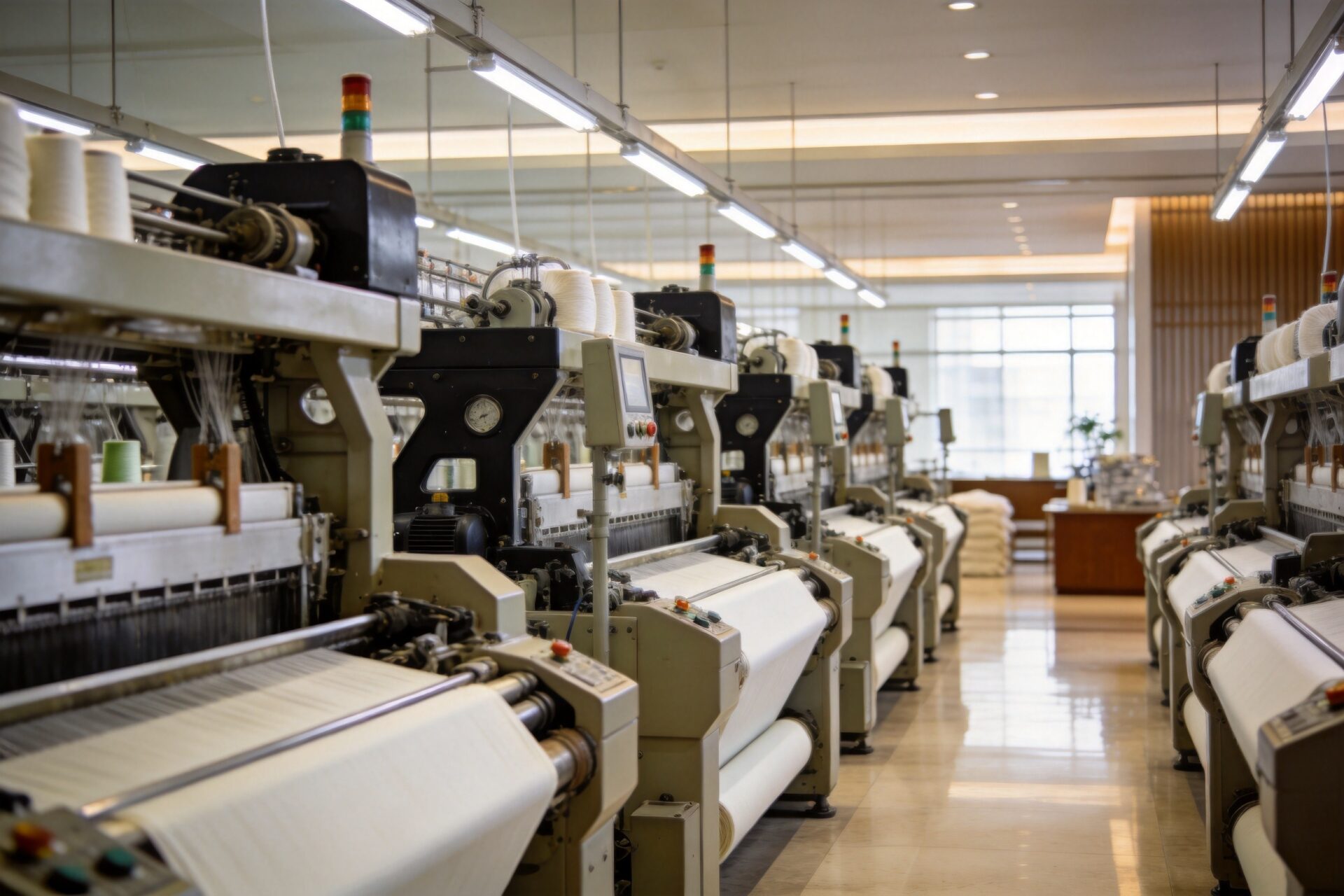
We are proud to announce that Youmian Textile has achieved OEKO-TEX STeP certification for our 50,000-square-meter manufacturing facility, marking a significant milestone in our ongoing commitment to sustainable and responsible textile production. This internationally recognized certification validates our investments in environmentally friendly manufacturing processes, safe working conditions, and socially responsible operations. For our hotel and hospitality partners worldwide, it provides independent assurance that the linens they source from Youmian are produced under conditions that meet the highest global standards for sustainability, transparency, and worker welfare.
What Is OEKO-TEX STeP Certification?
STeP—Sustainable Textile Production—is a comprehensive certification system developed by OEKO-TEX that evaluates textile manufacturing facilities across six key dimensions:
- Chemical management: Responsible use and handling of chemicals, including compliance with restricted substance lists
- Environmental performance: Measurable targets for energy consumption, water use, emissions, and waste generation
- Environmental management: Systematic processes for monitoring and improving environmental impact
- Social responsibility: Fair wages, reasonable working hours, occupational health and safety, and prohibition of child labor
- Quality management: Consistent product quality through documented processes and continuous improvement
- Health and safety: Safe working conditions, protective equipment, and emergency preparedness
Unlike product-level certifications that test individual items, STeP audits the entire production facility—spinning, weaving, dyeing, cutting, sewing, and embroidery operations. Certification is valid for three years, with annual surveillance audits ensuring ongoing compliance. Achieving STeP requires a minimum score across all modules, with facilities rated at Basic, Advanced, or Exemplary levels.
Why This Certification Matters for Our Hospitality Partners
For hotel procurement managers and group purchasing organizations, supply chain transparency has moved from a “nice to have” to a board-level requirement. Major hotel groups including Marriott, Hilton, and Hyatt have published sustainable sourcing policies that require suppliers to demonstrate environmental and social responsibility through recognized certifications.
Our STeP certification delivers tangible value to partners in several ways:
Verification You Can Trust
STeP certification is issued by independent OEKO-TEX member institutes with no financial interest in the outcome. The audit process includes on-site inspections, document review, and interviews with production staff. This is not a self-declared sustainability claim—it is third-party verification that partners can cite in their own ESG reports and supplier questionnaires.
Alignment with Global Procurement Standards
OEKO-TEX certifications are recognized and accepted by major hospitality brands worldwide. Holding STeP simplifies the supplier qualification process for hotel groups that require evidence of sustainable manufacturing, potentially reducing the audit burden on both parties. Our certification number and scope can be verified directly through the OEKO-TEX website, giving procurement teams full transparency.
Reduced Environmental Impact Without Compromising Quality
The changes we implemented to achieve STeP certification—including optimized dyeing processes that reduced water consumption by 28%, energy-efficient LED lighting across all production floors, and a closed-loop water recycling system—directly reduce the environmental footprint of every product we manufacture. Partners can share these metrics with their stakeholders as part of their Scope 3 emissions reporting.
Our Certification Journey
Achieving STeP certification was not an overnight process. It required a systematic, company-wide effort spanning nearly 18 months:
Phase 1: Gap Analysis and Planning (Months 1–3)
We engaged an OEKO-TEX consultant to conduct a comprehensive gap analysis of our facility against STeP requirements. This assessment identified areas for improvement across chemical storage, wastewater treatment, worker safety protocols, and environmental monitoring systems. We then developed a detailed action plan with assigned responsibilities, timelines, and budget allocation.
Phase 2: Infrastructure and Process Upgrades (Months 4–12)
Key investments during this phase included:
- Installation of a membrane bioreactor (MBR) wastewater treatment system capable of recycling 80% of process water
- Replacement of 1,200+ conventional light fixtures with energy-efficient LED alternatives
- Upgrade of chemical storage facilities with secondary containment, spill kits, and digital inventory tracking
- Implementation of a real-time energy monitoring system across all production lines
- Enhancement of personal protective equipment (PPE) programs and installation of additional ventilation in dyeing areas
- Establishment of a worker wellness committee and confidential grievance reporting system
Phase 3: Documentation and Training (Months 10–15)
STeP requires documented management systems, not just physical upgrades. We developed comprehensive manuals covering chemical management, environmental policy, occupational health and safety, quality control, and social accountability. All 380+ production employees received training on new procedures, with additional specialized training for chemical handlers, machine operators, and first responders.
Phase 4: Audit and Certification (Months 16–18)
The official OEKO-TEX audit took place over three days, with auditors reviewing documentation, inspecting every department, and interviewing workers across all shifts. We were pleased to receive Advanced-level ratings in Environmental Performance and Social Responsibility, with no major non-conformances identified. Our certification was formally issued in July 2026.
The Results: By the Numbers
| Metric | Before Certification | After Certification | Improvement |
|---|---|---|---|
| Water consumption per kg of fabric | 85 liters | 61 liters | −28% |
| Energy consumption per kg of fabric | 12.5 kWh | 10.2 kWh | −18% |
| Wastewater recycling rate | 0% | 80% | +80 pts |
| Chemical inventory digital tracking | Manual logs | 100% digital | Full traceability |
| Worker safety training hours (annual) | 8 hours | 24 hours | +200% |
| Waste sent to landfill (monthly) | 12 tons | 7.2 tons | −40% |
What This Means for Product Quality
Sustainability and quality are not competing priorities at Youmian—they reinforce each other. The systematic processes required for STeP certification, particularly the quality management module, have improved consistency across our hotel bedding sets, towels, and other product lines. Better chemical management reduces the risk of off-spec dyeing and finishing. Real-time environmental monitoring catches process deviations before they affect product quality. Enhanced worker training reduces human error on the production floor.
Our OEKO-TEX STeP certification complements our existing OEKO-TEX Standard 100 product certification (which tests every product for harmful substances), GOTS certification for our organic cotton lines, and ISO 9001 quality management system. Together, these certifications provide partners with a comprehensive assurance framework covering product safety, environmental responsibility, quality consistency, and social accountability.
Looking Ahead: Our Sustainability Roadmap
STeP certification is a milestone, not a finish line. We are committed to continuous improvement and have set ambitious targets for the next three years:
- 2027: Achieve Exemplary-level STeP rating in Environmental Performance; increase recycled material usage to 25% of total production volume
- 2028: Install rooftop solar panels generating 30% of facility electricity; achieve zero liquid discharge (ZLD) from dyeing operations
- 2029: Reach carbon-neutral manufacturing through a combination of efficiency gains, renewable energy, and verified offset programs
We are also expanding our sustainable product offerings, including rPET (recycled polyester) mattress protectors, TENCEL™ lyocell bedding, and organic cotton towel collections certified under GOTS. Partners interested in these materials can request samples through our OEM/ODM customization service.
A Message to Our Partners
To every hotel group, resort operator, procurement manager, and distribution partner who has trusted Youmian Textile with their linen supply: thank you. This certification reflects not only our internal commitment but also the expectations you have set for responsible sourcing. Your demand for transparency and accountability drives us to be better, and we are proud to stand beside you as you pursue your own sustainability goals.
We invite current and prospective partners to request our STeP certificate, audit summary, and sustainability report for your supplier qualification records. We welcome facility visits—our doors are always open to partners who want to see our operations firsthand. Learn more about our company and capabilities on our About Us page.
Frequently Asked Questions
What is the difference between OEKO-TEX STeP and OEKO-TEX Standard 100?
OEKO-TEX Standard 100 is a product-level certification that tests individual textile items for harmful substances. STeP is a facility-level certification that evaluates the entire manufacturing operation across environmental, social, and quality management dimensions. Youmian holds both certifications.
How can I verify Youmian’s STeP certification?
All OEKO-TEX certifications can be verified on the official OEKO-TEX website using the certificate number. Partners can request our certificate and verification details by contacting our sales team or visiting our Contact page.
Does STeP certification apply to all Youmian products?
STeP certifies the manufacturing facility and processes, meaning all products manufactured at our certified plant benefit from the sustainable production conditions. Product-specific certifications (Standard 100, GOTS) apply to individual product lines based on their materials and testing.
Will STeP certification affect product pricing?
Our STeP certification does not result in automatic price increases. While we made significant capital investments to achieve certification, many of the efficiency improvements—particularly in water and energy use—reduce operating costs over time, helping us maintain competitive pricing while delivering more sustainable products.
Can STeP certification help our hotel meet its ESG reporting requirements?
Yes. Many hotel ESG frameworks require suppliers to demonstrate environmental and social responsibility. Our STeP certification provides independent, third-party-verified data on our environmental performance and social practices that partners can reference in their Scope 3 supply chain reporting.
Conclusion: A Foundation for the Future
Achieving OEKO-TEX STeP certification represents the culmination of nearly two years of dedicated effort across every department of our organization, but more importantly, it establishes a foundation for the future of Youmian Textile. We entered this process because our partners deserved transparency, our workers deserved safer conditions, and our industry deserved a higher standard. We emerged with a facility that is more efficient, more responsible, and better positioned to serve the evolving needs of the global hospitality market. We invite you to partner with us on this journey. Whether you are sourcing premium hotel bedding, towels, bathrobes, or custom textile solutions, you can trust that every Youmian product is manufactured with respect for people and the planet. Contact us today to learn more.
Want to Know More About Our Products?
View All Products Now English
  Русский
  Español de México
  Português do Brasil
  العربية