
ملاءات الفنادق من قماش «بيركال» مقابل «ساتين»: أي نوع من النسيج يجب أن تختار؟
الانتقال إلى القسم
النقاط الرئيسية
- ينتج نسيج البيركال (نسيج «واحد فوق، واحد تحت») قماشًا ناعمًا ومنعشًا وذو ملمس غير لامع — وهو النسيج المفضل لدى فنادق 70% من فئة 4-5 نجوم لما يمنحه من إحساس بالانتعاش والتهوية
- يُنتج نسج الساتين (أربعة فوق وواحد تحت) سطحًا حريري الملمس ولامعًا وأكثر دفئًا — وهو ما تختاره الفنادق البوتيكية التي تضع الجماليات الفاخرة في مقدمة أولوياتها
- يتفوق نسيج «بيركال» على نسيج «ساتين» من حيث المتانة: فهو أكثر مقاومة للغسيل بنسبة 20–30% بفضل نسجه الأكثر إحكامًا الذي يقلل من تكوّن الكريات وهجرة الألياف
- يتوفر كلا النوعين من النسيج بنفس عدد الخيوط (200–600 TC) وبنفس تركيبة الألياف — والفرق يكمن في الملمس، وليس في درجة الجودة
- تشير بيانات رضا النزلاء إلى أن قماش البيركال يحظى بتقييمات أعلى من حيث ‘راحة النوم’ (بارد وخفيف الوزن)، في حين يحظى قماش الساتين بتقييمات أعلى من حيث ‘الإحساس بالفخامة’ (ناعم وحريري الملمس)
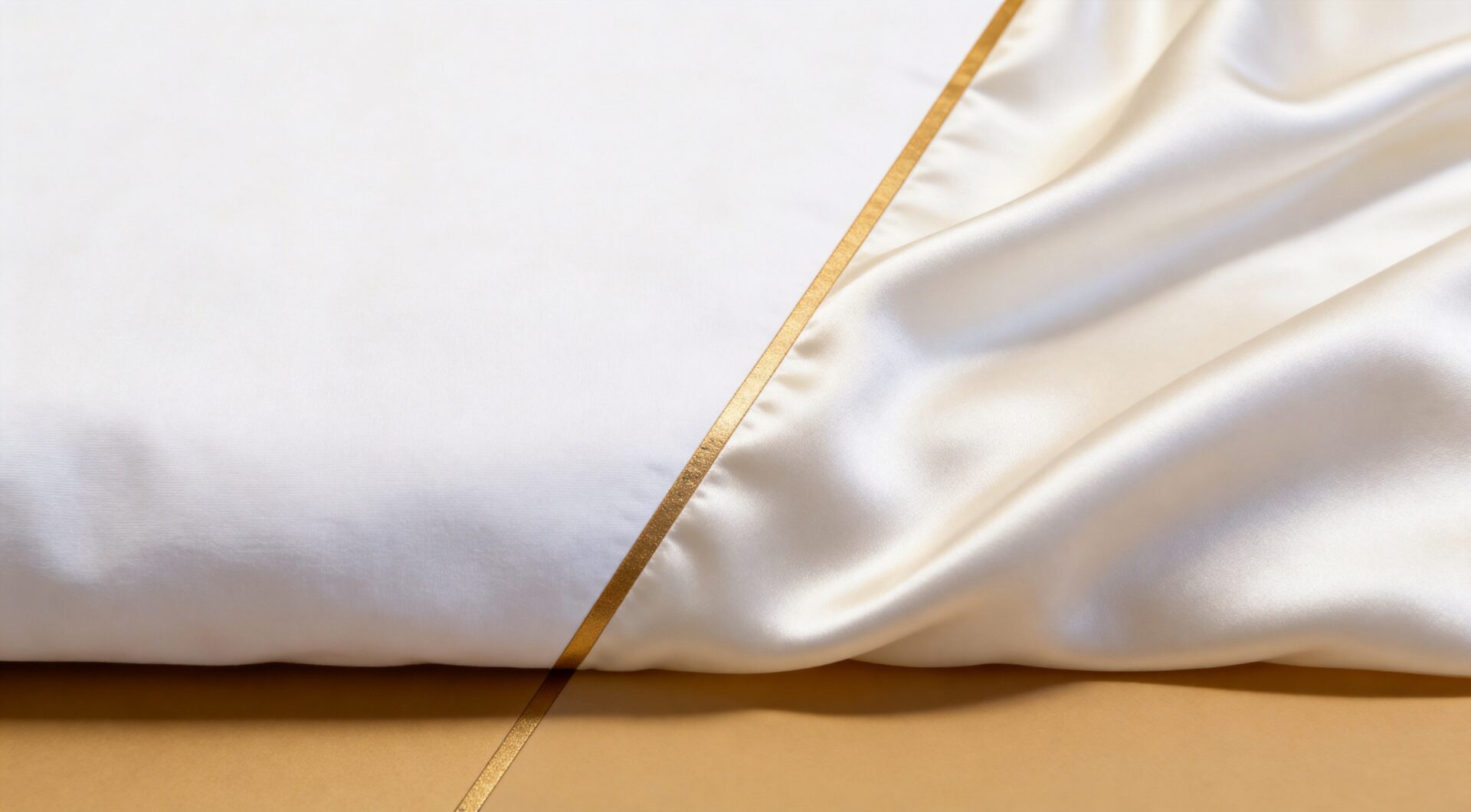
عندما يقوم مديرو المشتريات في الفنادق بتقييم خيارات أغطية الأسرة، تبدأ المناقشة دائمًا تقريبًا بموضوع عدد الخيوط. ومع ذلك، سيخبرك خبراء المنسوجات المتمرسون في قطاع الضيافة أن بنية النسيج وهذا الأمر أهم بكثير من الرقم المطبوع في ورقة المواصفات. فقد تتطابق كثافة الخيوط في ملاءتين، لكن ملمسهما يختلف تمامًا — إحداهما ناعمة ومنعشة، والأخرى حريرية ولامعة. ما الفرق؟ القماش البركال مقابل الساتين.
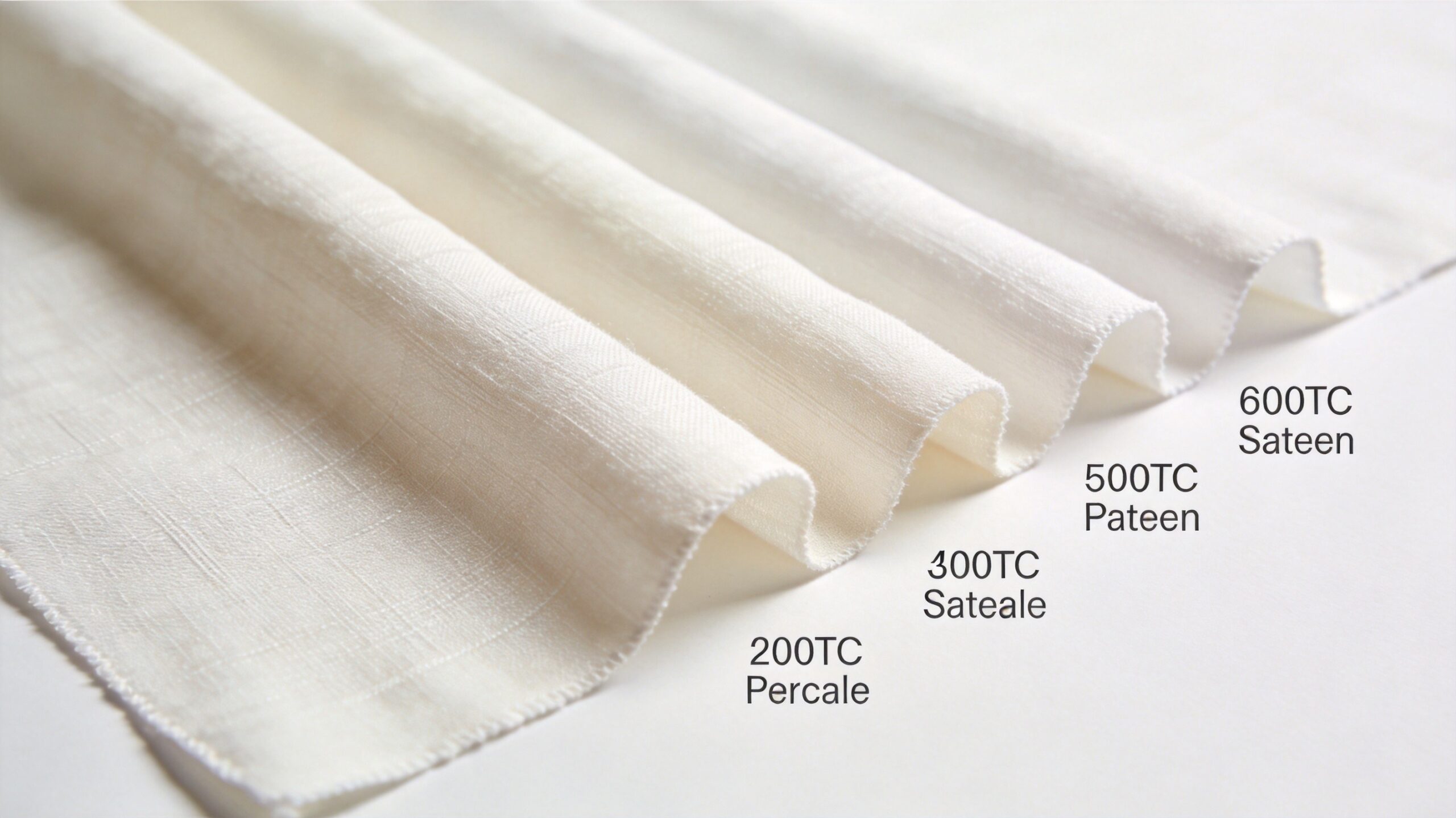
إن فهم هذا التمييز ليس مجرد مسألة أكاديمية. فالنسيج الذي تختاره يؤثر بشكل مباشر على معدلات رضا النزلاء، وتكاليف دورة حياة الغسيل، وتواتر الاستبدال، وحتى طبيعة التقييمات التي يتلقاها فندقك عبر الإنترنت. فالضيف الذي يشعر بالحرارة الزائدة تحت ملاءات الساتين في منتجع استوائي سيترك تقييمًا مختلفًا عن ذلك الذي ينغمس في ملاءات الساتين الحريرية في فندق فاخر بالمدينة. وكلا التجربتين “صحيحتان” — ولكن فقط إذا كان النسيج ملائمًا للسياق.
في هذا الدليل الشامل، نحلل كل جوانب النقاش الدائر حول اختيار نسيج «بيركال» مقابل «ساتين» في ملاءات الفنادق — بدءًا من الجوانب التقنية لعلم النسيج وصولًا إلى الآثار العملية المترتبة على عملية الشراء. سواء كنت تبحث عن مورد لفندق بوتيك يضم 50 غرفة أو لمنشأة مؤتمرات تضم 500 غرفة، فإن هذا التحليل سيوفر لك الإطار اللازم لاتخاذ قرار شراء قائم على الأدلة يتوافق مع علامتك التجارية ومناخك وأرباحك الصافية.
ما هو نسيج البيركال؟
بيركال هو نسيج ذو نسج عادي يتم صنعه باستخدام نمط تشابك بسيط يتمثل في مرور خيط فوق وخيط تحت (بنسبة 1/1). ويُعد هذا النسج الأساسي في صناعة المنسوجات، وينتج عنه نسيج ذو ملمس غير لامع وخفيف الوزن ويتميز بقدرته الفائقة على التهوية. وفي سياق أغطية الأسرة الفندقية، غالبًا ما يوصف نسيج البيركال بأنه “منعش” — وهي نفس الإحساس المنعش الذي يربطه النزلاء بالمنتجعات الفاخرة في المناخات الاستوائية.
الخصائص الرئيسية لنسيج البيركال
- الملمس: نسيج ناعم ومريح ومريح مع لمسة نهائية غير لامعة. ملمس القماش يشبه قميصًا رسميًّا تم كيّه للتو.
- التهوية: تدفق هواء فائق بفضل بنية النسيج المفتوحة والمتجانسة. حيث يُشكل كل تقاطع بين الخيوط قناةً دقيقةً تسمح بتدوير الهواء.
- المتانة: يعمل النسيج المتشابك المتوازن على توزيع الضغط بالتساوي على النسيج، مما يجعل قماش البيركال شديد المقاومة لتكوّن الكريات والتآكل حتى بعد الغسيل الصناعي المتكرر.
- الوزن: وعادةً ما يكون أخف وزنًا من الساتين عند نفس عدد الخيوط، مما يسهم في تسهيل التعامل معه في عمليات الغسيل على نطاق واسع.
- المظهر: سطح نظيف غير لامع وخالٍ من اللمعان. تظهر الأنماط والتطريزات بوضوح شديد على قماش البيركال.
- سلوك التجاعيد: تتجعد قماش البيركال أسرع من الساتين، على الرغم من أن الكي التجاري يزيل هذه التجاعيد بين كل استخدام وآخر من قبل النزلاء.
الأفضل لـ
تُعد ملاءات الفنادق المصنوعة من قماش البيركال مثالية للمنتجعات ذات المناخ الدافئ، والفنادق البوتيكية التي تركز على مظهر “البياضات النظيفة”، والمناشئ في المناطق التي تتجاوز فيها درجات الحرارة في الصيف 25 درجة مئوية (77 درجة فهرنهايت) بانتظام. وهي تحظى بشعبية خاصة لدى أصحاب الفنادق الذين يفضلون المتانة وتكاليف الصيانة المنخفضة على لمعان السطح. كما أن الملمس المنعش والبارد لنسيج البيركال يتوافق جيدًا مع العلامات التجارية التي تركز على العافية، والتي تروج للنوم المجدد للطاقة وتنظيم درجة الحرارة كجزء من وعدها بتجربة مميزة للضيوف.
ما هو نسيج البيركال؟ ملاحظة حول التصنيع
يتطلب إنتاج قماش البيركال التحكم الدقيق في الشد أثناء النسيج لضمان تشابك متجانس. ونظرًا لبساطة نمط النسج العادي، فإن أي تباين في سماكة الخيوط أو شدها يظهر على الفور في النسيج النهائي — مما يجعل مراقبة الجودة أثناء التصنيع أمرًا بالغ الأهمية. ولهذا السبب، فإن شراء ملاءات الفنادق المصنوعة من قماش البيركال من مصنّعين مرموقين يتبعون إجراءات فحص صارمة أمر بالغ الأهمية لضمان نتائج متسقة عبر دورات الإنتاج الكبيرة.
ما هو نسيج الساتين؟
ساتين يستخدم نمطًا مختلفًا من نسج الساتان — عادةً ما يكون أربعة خيوط فوق وواحدة تحت (4/1) أو ثلاثة خيوط فوق وواحدة تحت (3/1). ويكشف هذا النسيج عن مساحة أكبر من سطح الخيوط على وجه القماش، مما يمنح الملمس الحريري المميز واللمعان الخفيف اللذين غالبًا ما يربطهما النزلاء بالفخامة من فئة الخمس نجوم.
الخصائص الرئيسية لنسيج الساتين
- الملمس: ناعمة كالزبدة مع لمعان ملحوظ. وتضفي “الخيوط الطويلة” (أجزاء الخيوط المتصلة دون انقطاع) مظهرًا أملسًا يشبه الحرير تقريبًا.
- العزل: يحتفظ نسيج الساتين، الذي يتميز بكونه أكثر إحكامًا وكثافة، بكمية أكبر من حرارة الجسم، مما يجعله يمنح شعورًا بالدفء أكثر من نسيج البركال عند نفس عدد الخيوط.
- الستارة: تتدلى الأقمشة المصنوعة من الساتين بانسيابية أكبر مقارنةً بأقمشة البيركال، مما يضفي على الأسرة مظهرًا فاخرًا وجذابًا يبدو رائعًا للغاية في الصور المستخدمة في مواقع حجز الفنادق عبر الإنترنت (OTA) والمواد التسويقية.
- التليين بمرور الوقت: يصبح الساتين عالي الجودة أكثر نعومة مع كل غسلة — وهي ميزة تساهم في تحسين تجربة النزلاء على مدار دورة حياة المنتج.
- المظهر: سطح لامع يتميز بلمعان خفيف. يعكس هذا اللمعان الإضاءة المحيطة، مما يضفي مزيدًا من الرقي على مظهر الغرفة.
- خطر تكوّن الكريات: تكون الخيوط العائمة أكثر عرضة للتأثر، وقد تكون أكثر عرضة لتكوّن الكريات في حالة استخدام ألياف من درجة أقل أو ألياف قصيرة الطول.
الأفضل لـ
تُعد ملاءات الفنادق المصنوعة من قماش الساتين الخيار الأمثل في المناخات الباردة، والفنادق الحضرية الراقية، والفنادق البوتيكية التي يُعد فيها الانطباع بالرفاهية عاملاً أساسيًا في تمييز العلامة التجارية. وهي الخيار المفضل للمؤسسات الفندقية التي تستهدف شرائح الفخامة الفائقة والرفاهية (4 نجوم وما فوق)، حيث يُعد الانطباع الأول الذي يشعر به النزيل عند ملامسة السرير عاملاً حاسماً في مقاييس رضا النزلاء.
مزايا شركة ساتين للتصنيع
لقد تطور إنتاج الساتين الحديث بشكل ملحوظ. فأجهزة النسيج المتطورة تنتج الآن الساتين بأطوال خيوط عائمة أكثر اتساقًا وتحكمًا أكثر دقة في الشد مقارنة بما كان ممكنًا حتى قبل عقد من الزمن. وهذا يعني أن ملاءات الفنادق المصنوعة من الساتين اليوم أكثر متانة واتساقًا من سابقاتها. يكمن الفارق الرئيسي بين الساتين عالي الجودة ومنخفض الجودة في عملية تحضير الخيوط: فالخيوط الممشطة والمغزولة بشكل مضغوط تنتج سطحًا ساتينيًا أكثر نعومة وقوة، ويقاوم تكوّن الكريات بشكل أفضل بكثير من البدائل المصنوعة من الخيوط الممشطة. عند تقييم موردي الساتين، اسأل دائمًا عن عملية تحضير الخيوط — وليس فقط عن عدد الخيوط أو منشأ الألياف.
البيركال مقابل الساتين في ملاءات الفنادق: مقارنة مباشرة
The following table summarizes the seven most critical dimensions that hotel procurement teams should evaluate:
| Dimension | بيركال | ساتين |
|---|---|---|
| Hand Feel | Crisp, cool, “fresh linen” sensation | Silky, smooth, buttery soft |
| التهوية | Excellent — ideal for warm climates and summer use | Moderate — retains more warmth due to denser face |
| Surface Luster | Matte, clean finish | Subtle sheen, luminous appearance |
| المتانة (دورات الغسيل) | High — 150–200+ industrial washes with minimal pilling | Moderate–High — 120–180 washes; depends on fiber quality |
| Price Point | Moderate — simpler weave, lower manufacturing complexity | Higher — more yarn per surface area, longer production time |
| Laundering Behavior | Wrinkles more, presses easily; shrinks minimally | Resists wrinkles naturally; requires careful temperature control |
| Best Hotel Type | Resort, extended-stay, mid-scale, warm-region properties | Luxury, boutique, urban upscale, cool-region properties |
Which Hotel Star Rating Uses Which Weave? Industry Benchmarks
Based on our 21 years of supplying hotel textiles to properties worldwide, we have observed clear industry patterns in weave selection by star rating:
| Hotel Category | Preferred Weave | Typical Thread Count Range | الأساس المنطقي |
|---|---|---|---|
| 1–3 Star / Budget & Mid-Scale | بيركال | 200–300 TC | Cost efficiency, high durability, easy care. Percale withstands high-volume commercial laundering with minimal degradation, keeping replacement costs predictable. |
| 4 Star / Upper-Upscale | Sateen (primary) or Percale (secondary) | 300–400 درجة مئوية | Guests at this tier expect a luxurious tactile experience. Sateen’s silky drape delivers the premium perception these brands depend on. Some properties offer both options by season. |
| 5 Star / Luxury | Sateen (dominant) | 400–600 TC (long-staple cotton) | Luxury brands compete on sensory experience. Sateen with long-staple or Egyptian cotton delivers the unmistakable softness and sheen that defines the five-star bed experience. |
Note: These are benchmarks, not rigid rules. A beachfront 5-star resort in the Maldives may prioritize percale for its cooling properties, while a design-focused 3-star urban hotel might choose sateen to elevate perceived value. The key is aligning the weave with your brand promise and climate context.
Climate Considerations: Hot vs. Cold Regions
Climate is arguably the single most important operational factor in the percale vs. sateen decision—and it is frequently overlooked during the procurement process.
Hot & Tropical Climates (Southeast Asia, Middle East, Caribbean, Southern US)
In regions where ambient temperatures regularly exceed 28°C (82°F) with high humidity, percale is the overwhelmingly recommended choice. The open weave structure facilitates convective cooling—air passes through the fabric and carries body heat away from the sleeper. Hotels in Dubai, Bangkok, and Miami consistently report higher guest satisfaction scores when switching from sateen to percale during summer months.
Many resort chains operating in tropical zones adopt a percale-first policy, reserving sateen for VIP suites or cooler winter seasons. This dual-inventory approach is increasingly common among procurement teams managing properties across multiple climate zones.
Cool & Temperate Climates (Northern Europe, Canada, Northern US, UK)
In cooler climates, sateen gains a clear advantage. The denser weave retains more body heat, and the luxurious hand-feel aligns with guests’ expectations for warmth and comfort during colder months. Urban hotels in London, Toronto, and Stockholm favor sateen year-round for its combination of warmth and premium aesthetics.
Four-Season Properties
Hotels in regions with significant seasonal temperature variation (such as central China, the northeastern US, or central Europe) often maintain two linen inventories or specify a mid-weight weave that performs adequately across seasons. A 300 TC percale in summer and a 400 TC sateen in winter is a common strategy among quality-conscious operators.
Air Conditioning & Indoor Climate Control
It is worth noting that climate-controlled environments change the calculus. Hotels with powerful HVAC systems that maintain room temperatures between 20–22°C (68–72°F) year-round can use either weave regardless of outdoor climate. In these cases, the decision shifts from thermal comfort to brand aesthetics and guest expectation. Properties targeting international business travelers—who often prefer cooler rooms—tend to find that both weaves perform adequately, making sateen’s luxury appeal the deciding factor.
Care & Maintenance Differences for Hotel Laundry Operations
For hotel operations teams, the maintenance profile of hotel bed linens directly impacts OPEX. Laundry costs typically account for 15–25% of total linen lifecycle expenditure, making weave-dependent differences in wash time, drying time, and pressing labor highly significant at scale. For a 300-room hotel processing 2,000+ sheets per week, even a 10% difference in drying time translates to meaningful energy savings over the product’s usable life. Here is what procurement managers need to know:
Percale Maintenance
- Washing: Tolerates higher wash temperatures (up to 75°C / 167°F) without significant fiber degradation. Compatible with standard commercial detergents and bleach cycles.
- التجفيف: Dries faster due to its open weave, reducing dryer cycle time by approximately 10–15% compared to sateen.
- Ironing/Pressing: Wrinkles more readily but presses crisply. Flatwork ironers produce excellent results on percale.
- العمر الافتراضي: Maintains structural integrity longer under industrial wash conditions. Expect 150–200+ wash cycles before replacement is needed, depending on fiber quality and wash chemistry.
- الانكماش: Minimal if properly finished during manufacturing (under 3%).
Sateen Maintenance
- Washing: Best laundered at moderate temperatures (40–60°C / 104–140°F). High-temperature washes accelerate the breakdown of floating yarns.
- التجفيف: Takes longer to dry due to denser construction. Tumble dry on medium to preserve softness.
- Ironing/Pressing: Naturally wrinkle-resistant due to the satin structure. Requires less pressing time—a labor saving in high-volume laundry operations.
- العمر الافتراضي: Generally 120–180 wash cycles. Floating yarns are more susceptible to abrasion. Using long-staple cotton (minimum 1.5″ staple length) significantly extends usable life.
- Pilling management: Higher risk of pilling over time, particularly with shorter-staple fibers. Sourcing from suppliers who use combed or compact-spun yarns reduces this risk substantially.
Expert Insight: “We recommend that hotels using sateen bed linens specify combed long-staple cotton from reputable spinners. The incremental cost per unit is modest—typically 8–12% more—but the lifespan extension is 30–40%, making the total cost of ownership lower than cheaper alternatives.” — Technical team, Nantong Youmian Haochen Textile Co., Ltd. (YouMian)
Expert Recommendation: Which Weave Should Your Hotel Choose?
After two decades of supplying hotel textiles to properties across 40+ countries, our recommendation framework is straightforward:
| If Your Property Is… | We Recommend… | Why |
|---|---|---|
| A beach resort in a tropical climate | بيركال, 250–300 TC, combed cotton | Maximum breathability and cooling; withstands salt-air and high-frequency laundering |
| An urban 4-star hotel in a temperate city | ساتين, 300–400 TC, long-staple cotton | Luxury hand-feel that meets brand standards; excellent drape and sheen for marketing photography |
| A limited-service or select-service hotel | بيركال, 200–250 TC | Best total cost of ownership; durable, fast-drying, easy to maintain |
| A luxury boutique hotel | ساتين, 400–600 TC, Egyptian or Supima cotton | Delivers the unmistakable luxury experience that justifies premium room rates |
| An extended-stay or apartment-style property | بيركال أو Percale-Sateen blend | Durability for long-term use with sufficient comfort for extended guest stays |
| A casino or convention hotel with high turnover | بيركال for standard rooms; ساتين for suites | Segmented approach balances durability (high-turnover rooms) with luxury (premium suites) |
Direct Answer: There is no universally “better” weave between percale and sateen for hotel sheets. The right choice depends on your hotel’s star rating, climate zone, brand positioning, and laundry operation capabilities. Percale wins on breathability and durability; sateen wins on luxury feel and visual appeal. The best hotel operators match the weave to the guest experience they are promising.
الأسئلة المتداولة
أيهما أفضل لملاءات الفنادق: نسيج «بيركال» أم «ساتين»؟
No single winner—it depends on your positioning and climate. For warm climates (above 28°C/82°F) and budget-to-mid-scale (1–3 star) properties, choose percale at 200–300 thread count for durability and lower replacement cost; for 4–5 star luxury in cooler climates, choose sateen at 300–600 thread count where the first tactile impression drives guest reviews. These tiers follow the industry benchmark Nantong Youmian Haochen Textile Co., Ltd. built over 21 years supplying hospitality textiles across 40+ countries.
هل يتشكل الساتين كرات أكثر من البيركال؟
Yes—sateen’s floating-yarn weave (four-over-one-under) exposes longer yarn segments to friction, so it pills more than percale’s one-over-one-under weave. The risk is largely eliminated by specifying long-staple cotton with a minimum 1.5-inch staple length, the mitigation our technical team recommends.
هل يمكن للفنادق استخدام كل من بياضات السرير المصنوعة من قماش البيركال والساتين؟
Absolutely—four-season properties and tiered hotels commonly run percale for standard rooms and sateen for premium rooms and suites. A data-backed approach is seasonal rotation: a 300 TC percale in summer and a 400 TC sateen in winter, balancing guest comfort against operational cost.
ما هو عدد الخيوط الذي ينبغي أن أحدده لأغطية أسرة الفنادق؟
Specify 200–300 thread count for percale and 300–400 for sateen; anything above 600 is unnecessary for commercial hospitality and can reduce breathability. Match it to your star tier—budget (1–3 star) 200–300 TC, luxury (4–5 star) 300–600 TC long-staple—and always prioritize fiber staple length over the thread-count number.
Request Your Percale & Sateen Sample Swatches
Online research and specification reviews can only take you so far—at some point, you need to feel the difference between percale and sateen with your own hands.
Nantong Youmian Haochen Textile Co., Ltd. (YouMian) offers complimentary fabric swatch kits containing both percale and sateen samples in various thread counts and fiber compositions. With 21 years of hotel textile manufacturing experience, a 20,000㎡ finishing base in Nantong—the heartland of China’s home textile industry—plus a 46,000㎡ weaving base, and SGS + ISO9001 certifications, we supply hotel bed linens, duvet covers, pillowcases, towels, and bathrobes to properties in over 40 countries.
Whether you are refreshing an existing property or launching a new hotel, our team can help you specify the right weave, fiber, and thread count for your exact requirements.
Our capabilities include:
- Custom weaving: Percale and sateen in thread counts from 200 to 800 TC
- Fiber options: Combed cotton, long-staple cotton, Egyptian cotton, Supima, cotton-polyester blends
- Full product range: Flat sheets, fitted sheets, duvet covers, pillowcases, towels, and bathrobes
- التخصيص: Embroidery, jacquard patterns, custom sizing, and private-label packaging
- Certifications: SGS tested, ISO9001 quality management system
- MOQ flexibility: Suitable for both boutique properties (50+ rooms) and large-scale chain deployments
Visit YouMian’s website or contact our hospitality textile specialists today to receive your complimentary sample kit and discuss your project requirements.
هل تريد معرفة المزيد عن منتجاتنا؟
عرض جميع المنتجات الآن English
  Русский
  Español de México
  Português do Brasil
  العربية